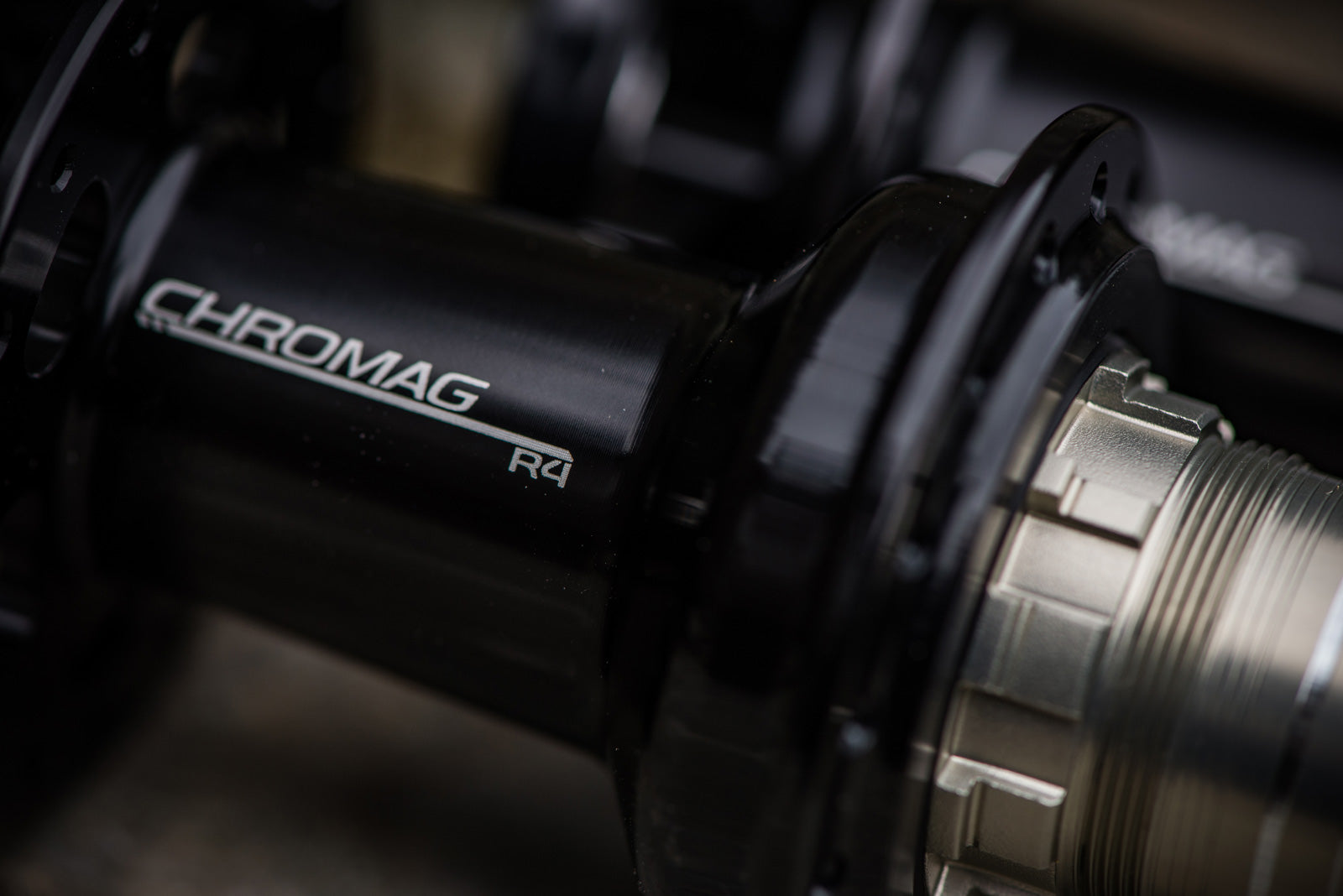
R4 Rear Hub
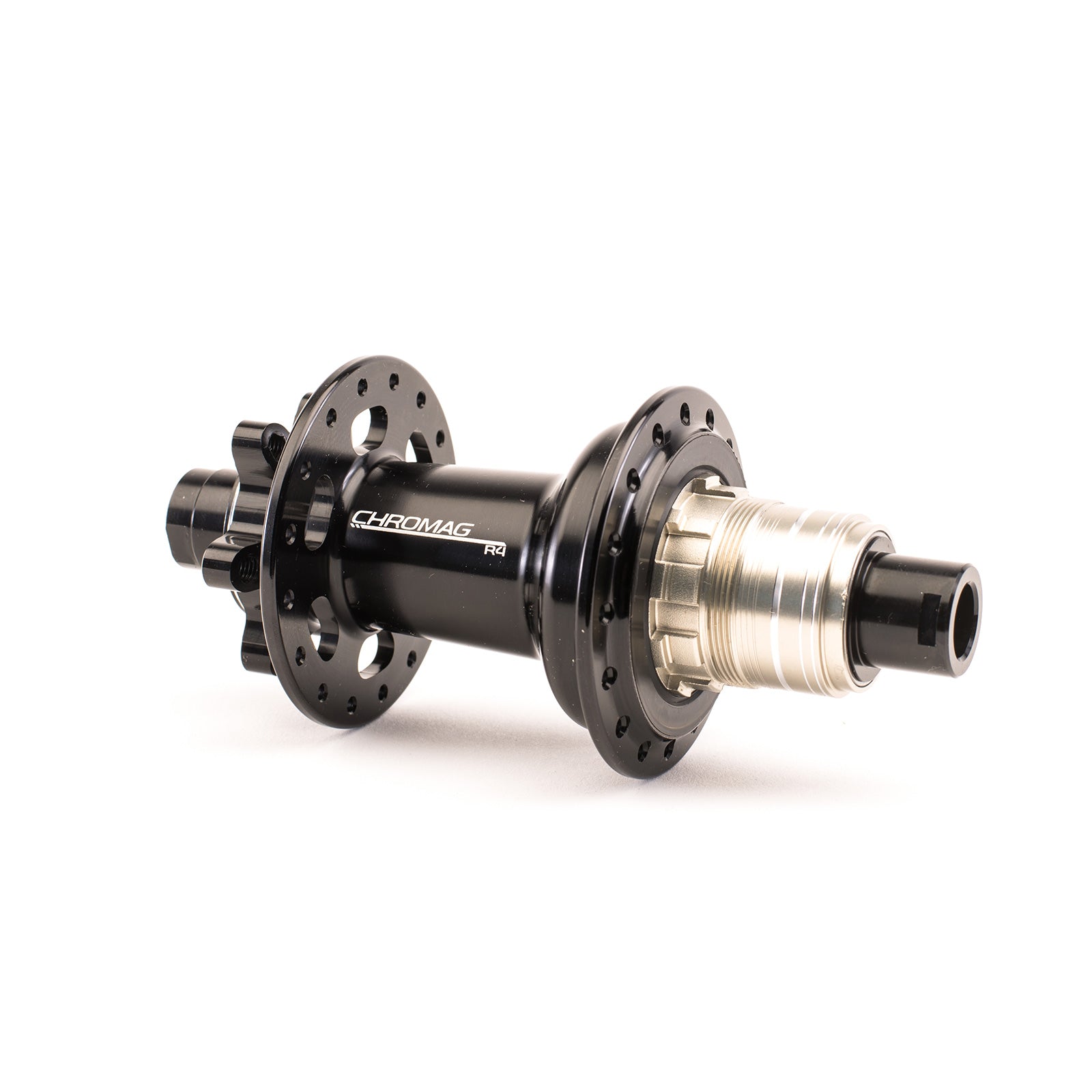
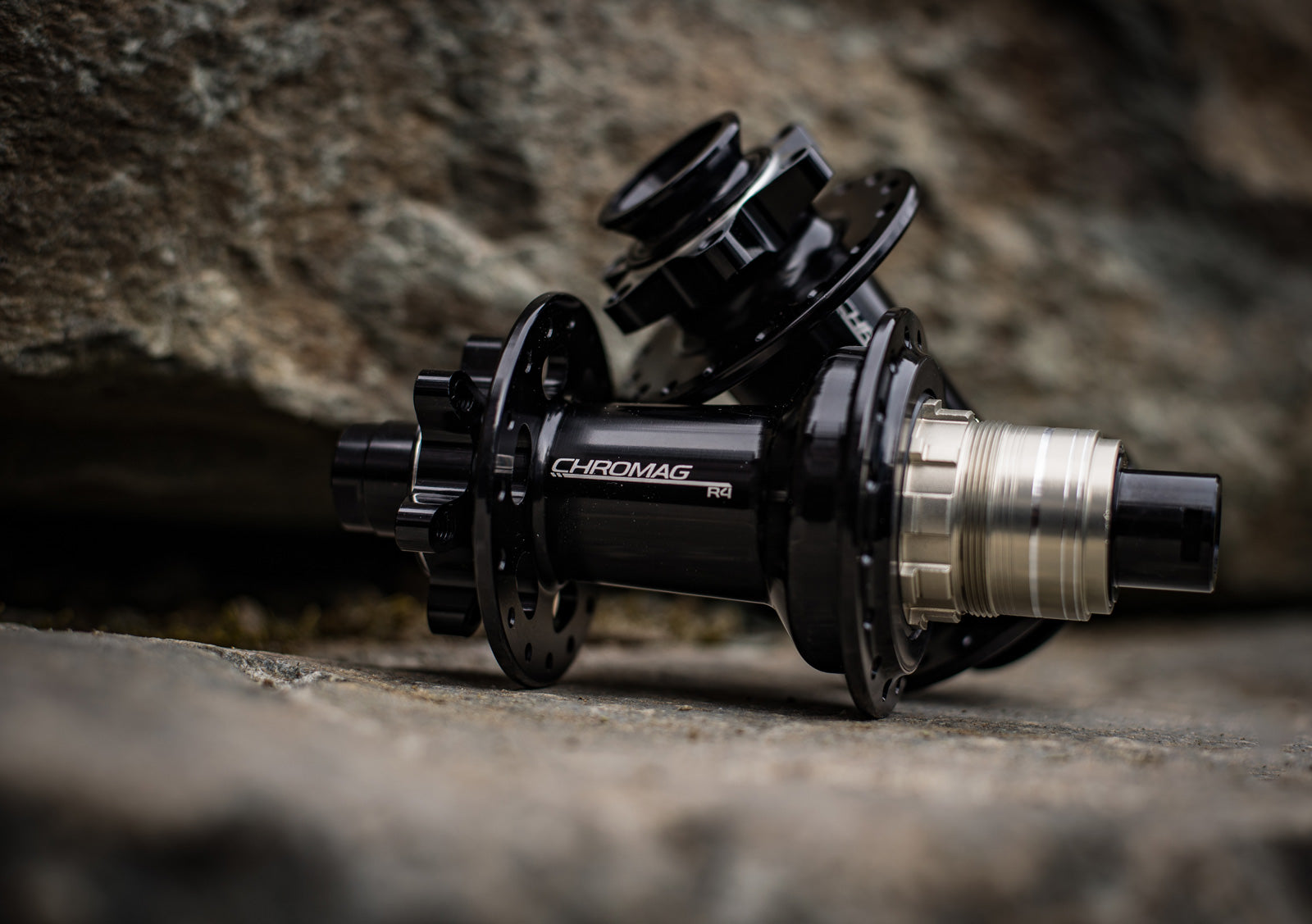
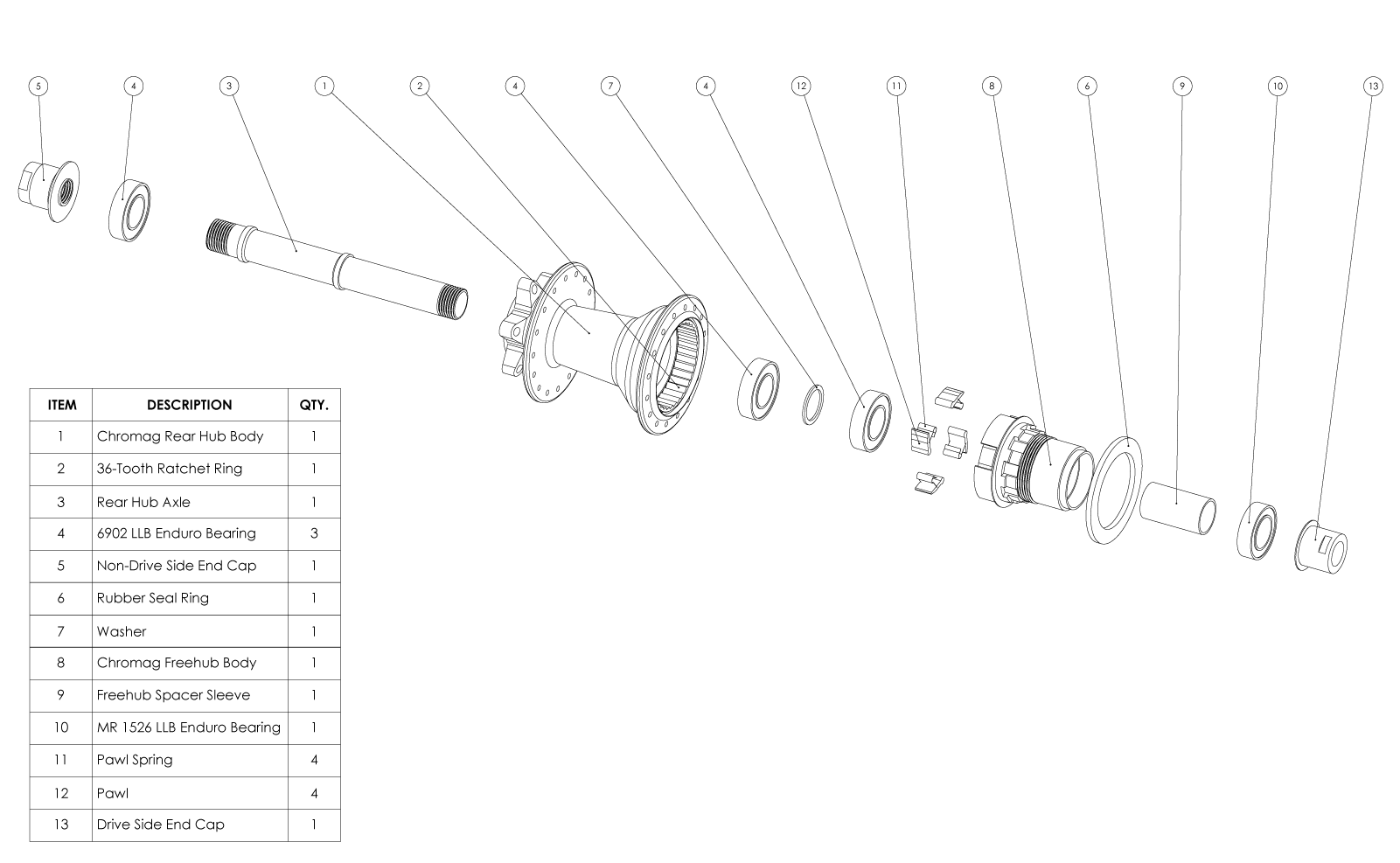
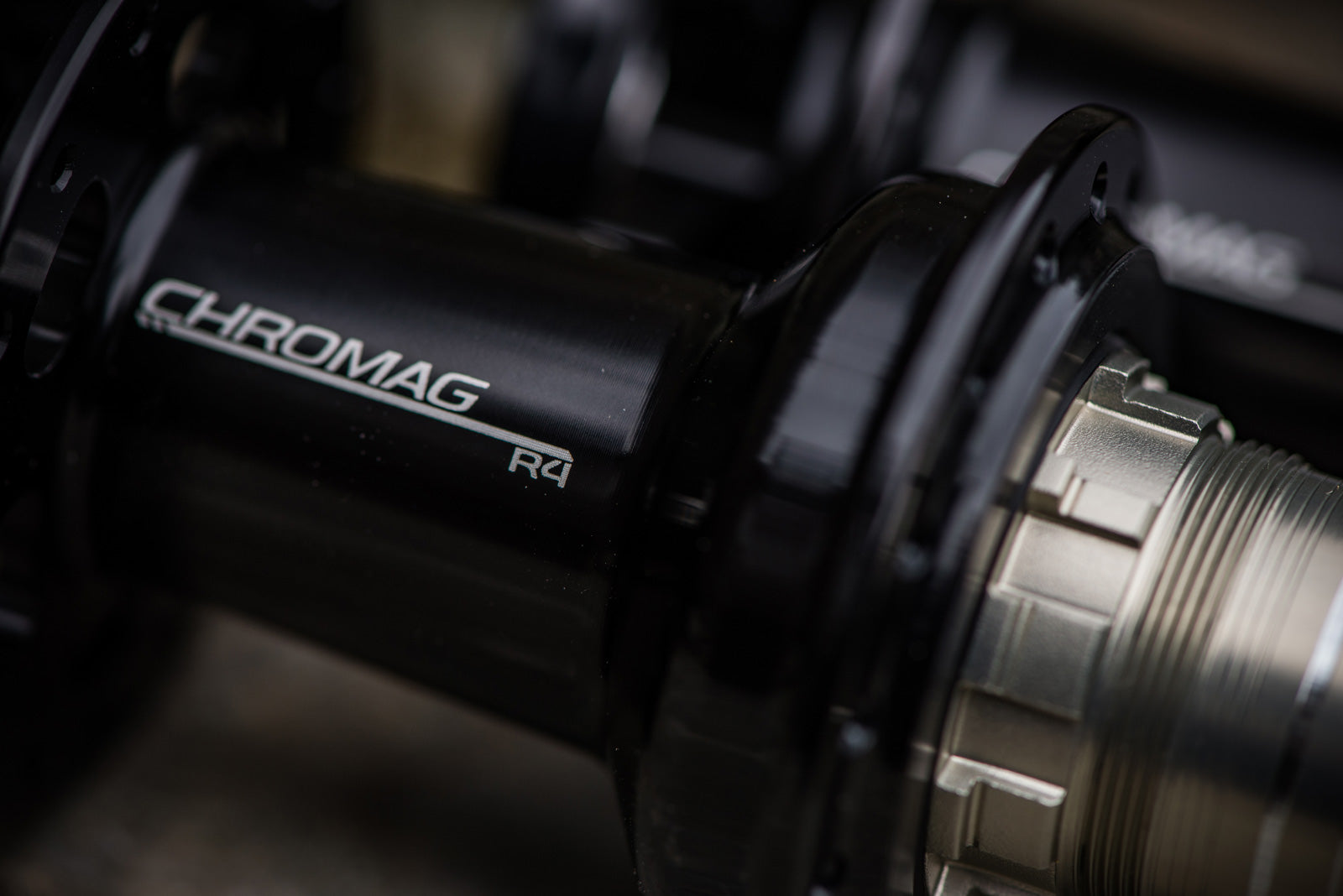
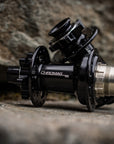
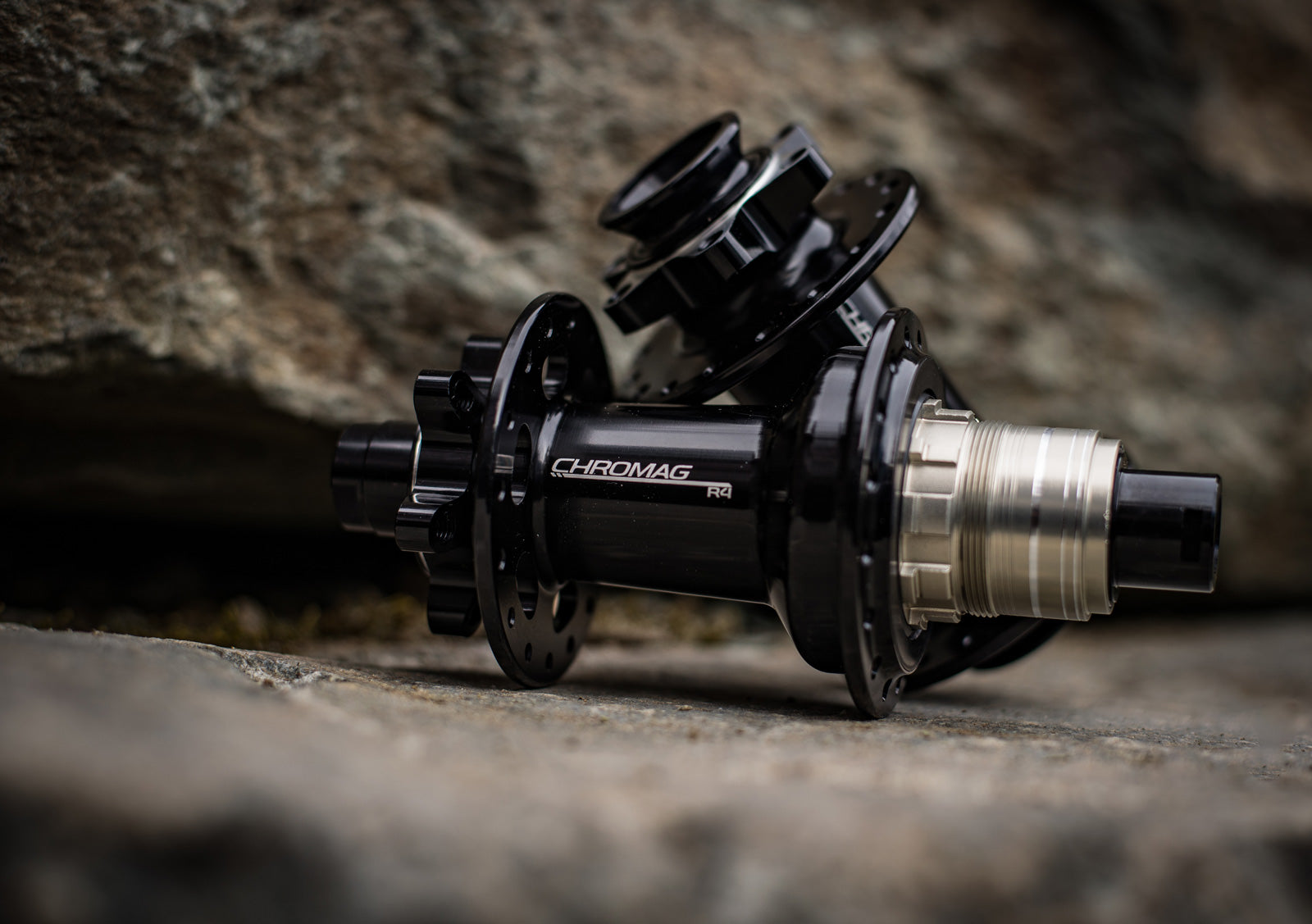
The R4 is designed to be a solid, reliable hub with a durable axle assembly and robust set of bearings. We're using a tried and tested 4-pawl arrangement with 36 points of simultaneous engagement. What sets it apart is the large radius that the pawls are positioned on, reducing leverage at the point of engagement.
We opted for a Chromoly steel axle for stiffness and longevity. Using steel allows a smaller diameter axle which in turn gives us more room to use larger, sealed bearings (we use USA made enduro bearings). The rear axle assembly uses thread-on end caps which are easy to service and resist compression from the frames axle (they don’t fall off during trailside repairs either!). R4 front hubs are available with standard or ‘torque’ end caps and rear hubs are available with XD, HG, or Microspline drivers. We supply all parts for servicing to ensure that R4 hubs can be maintained well into the future!
Please select below which type of driver and/or end caps you need. If in doubt drop us an email. Spare parts can be found here.

Worldwide shipping
We ship anywhere in the world with competitive rates from UPS and FedEx. Alternatively you can pickup right here at Chromag HQ.


Warranty
All of our components are backed by our 2 year warranty.
After that, we still have your back with our crash replacement program.
key features
Design Considerations

The R4 is designed around an oversized ratchet ring, reducing torque on the engagement assembly & thereby improving life span.
This has the added benefit of providing space for larger bearings, which also increases time between service intervals.

The hardened steel axle gives good stiffness and longevity, while the smaller diameter of the steel axle gives more room for larger bearings in the hub body, again, increasing life.
Thread on end caps make for simple servicing and keep the freehub body securely in place when the wheel is removed.
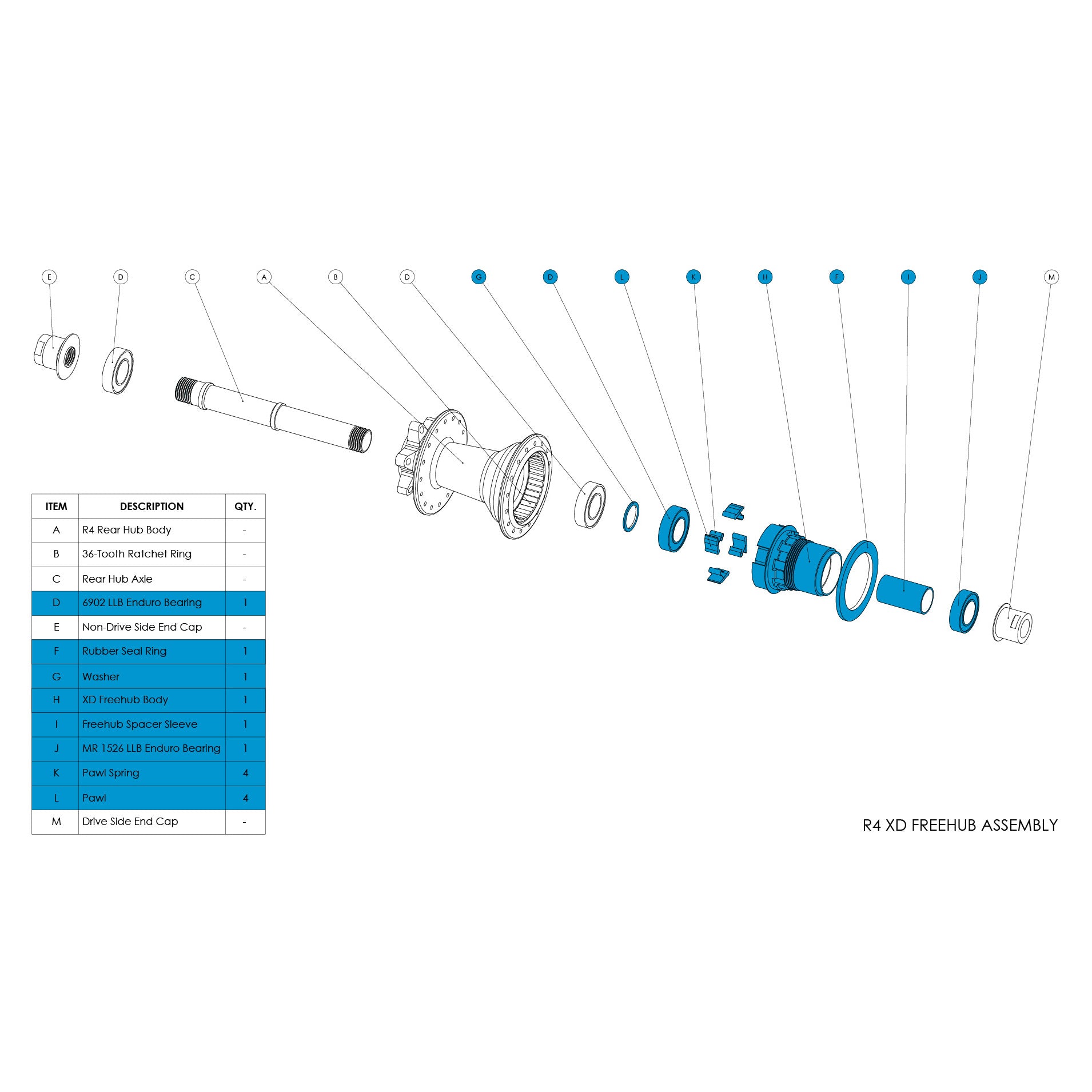
We have a wide variety of spare parts and bearings available for the R4 so you can fully service your own equipment at home.
The exploded diagrams are also pretty helpful if you got distracted while pulling everything apart.
Hub FAQ's
Torque caps are a RockShox product that allow for greater stiffness between the front hub and fork interface. Newer RockShox forks will work with or without them.
All other fork brands will not work with Torque Caps.
Because the bike industry likes to invent new standards by the hour, there are different freehubs to choose from depending on which cassette you run.
HG is typically for older drivetrains and SRAM NX.
XD is for newer SRAM.
Microspline is for newer Shimano.
The R4 is compatible with HG, XD & Microspline, so if you do decide to change your drivetrain, all you need to do is switch out your freehub.
Having fewer points of engagement leads to more backlash in the system, this is apparent predominantly in climbing gears and technical situations. That being said, from our experience you very quickly become accustomed to the hub you are running and it rarely crosses your mind when riding after the first ride of a new component.
The more points of engagement, the smaller the area of contact between pawls and ratchet ring, along with the fewer pawls engaging at the same time. This is in order to fit more into the same space, often leading to reliability issues especially as parts start to wear.
With the R4 we have tried to strike the happy middle ground of having enough points of engagement to feel sharp but also leave room for long term reliability.
Of course there is also the topic of pedal kick back and suspension interaction, which could be a full article in itself.
To keep things simple, a higher engagement hub has the potential to give more feedback due to less backlash before it engages. In general, we think there are a myriad of more important things to worry about in how a bike rides.
If you notice any play in your wheel when your axle is tight its time to check things out. Similarly if you can hear or feel the bearings grumble when spinning, an investigation and likely fresh set of bearings would be a good move.
If you are doing a pre-season refresh or just giving your bike a thorough going over then cleaning and re greasing your freehub body is a good move, removing any contaminants and adding fresh clean grease is a good way to reduce long term wear.